
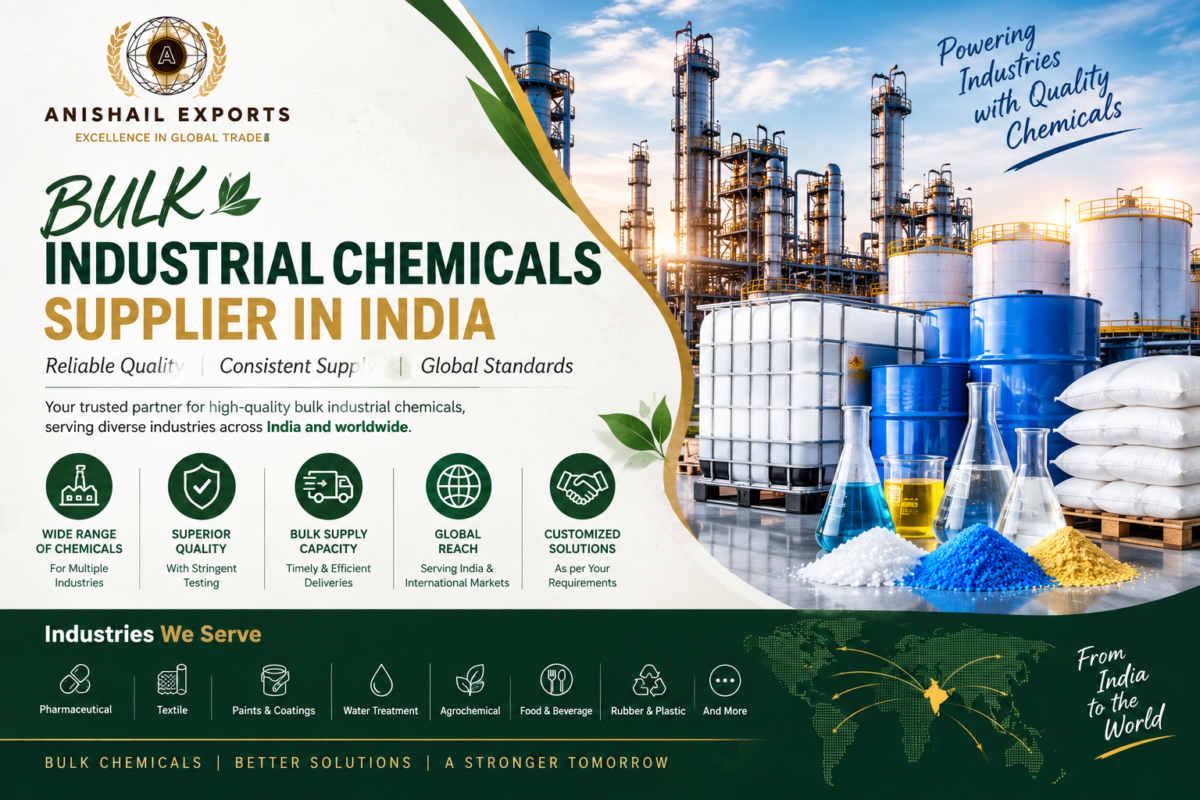
Manufacturing output relies entirely on the strict scheduling of upstream chemical procurement. Complex commercial formulations frequently integrate diverse compounds like industrial solvents and reactive mineral powders into a single continuous sequence. A solitary vendor failure regarding delivery logistics or chemical purity disrupts the entire facility workflow. These upstream deviations force operations managers to halt production lines and routinely cause massive lot rejections during final quality assurance testing.
Buying chemicals in large quantities brings its own concerns. A low price may look attractive on a purchase order, but it means little if the supplier cannot maintain the same quality from one delivery to the next. Packaging, storage, test reports, transport and supply capacity matter too. Choosing a bulk industrial chemicals supplier in India therefore calls for a look at the complete supply arrangement rather than the quoted rate alone.
What Businesses Should Check Before Buying Bulk Chemicals
1. Know Exactly What You Are Ordering
A chemical name is not always enough to place a proper industrial order. The same substance can be supplied in different grades or concentrations, with differences in purity, moisture, particle size or other characteristics. Those differences may have little importance in one application and a major effect in another.
Write the requirement down in measurable terms before approaching chemical suppliers. The specification should cover:
- Chemical name and grade.
- Required purity or concentration.
- Physical form.
- Order quantity.
- Intended application.
2. Check Whether Quality Stays Consistent
Initial sample approvals frequently fail to guarantee long-term lot-to-lot consistency. Continuous manufacturing operations require absolute uniformity when integrating raw materials into fixed formulations. Minor deviations in physical or chemical properties inevitably disrupt downstream operations by altering reaction times and compromising output quality.
Look for these things for consistency in quality:
- Batch-specific Certificate of Analysis.
- Defined product specifications.
- Test results for important parameters.
- Batch or lot numbers.
- Quality records for supplied material.
Vague assurances regarding laboratory testing carry zero operational value. Procurement managers must compel industrial chemical distributors in India to disclose their exact quality control methodologies.
3. Get the Right Documentation Before Delivery
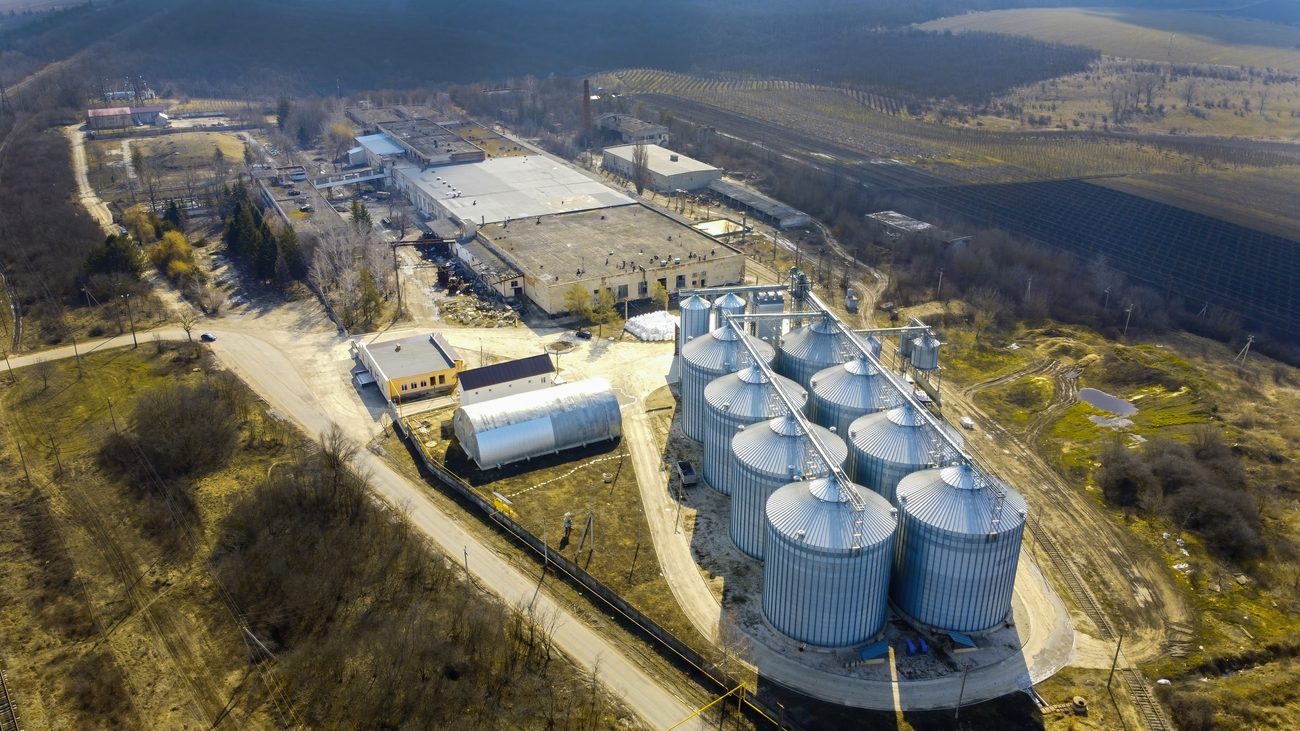
Procuring industrial chemicals mandates strict compliance protocols on the factory floor. Facility personnel require explicit training regarding material transit, environmental containment parameters, mandatory personal protective equipment, and immediate remediation tactics for accidental discharges. The required Safety Data Sheet dictates these exact operational parameters concerning chemical toxicity, safe facility integration, and critical incident response.
The paperwork may include:
- Safety Data Sheet.
- Certificate of Analysis.
- Technical Data Sheet.
- Product specification.
- Handling and storage instructions.
Chemical suppliers for industries should provide current technical and safety documents.
4. Find Out How Much the Supplier Can Actually Supply
A supplier may manage your current requirement without difficulty and struggle the moment your order becomes larger. That matters when production expands, or a new customer suddenly increases demand. Running short of a basic raw material can bring an otherwise busy factory to a standstill.
Talk to bulk chemical manufacturers about normal output, stock levels and lead times.
It is necessary to ask about:
- Regular production capacity.
- Warehouse stock.
- Minimum order quantity.
- Lead time for repeat purchases.
- Ability to handle larger orders.
5. Calculate the Real Cost of the Purchase
The number printed beside the price per kilogram is only one part of the bill. Freight, packaging, unloading, testing, storage, and rejected material can all add expense after the purchase order has been accepted. A cheaper chemical can become the more expensive choice when those additional costs are taken into account.
When comparing Industrial chemical distributors in India, the final figure may include:
- Product price.
- Freight and handling.
- Packaging charges.
- Testing or inspection.
- Losses caused by wastage or rejection.
6. Examine the Packaging Before Ordering Large Volumes
The container is part of the supply chain, not an afterthought. Certain materials need protection from humidity, sunlight, heat or contamination. Others need packaging strong enough to handle repeated movement between warehouses, transport vehicles and the production floor.
It is necessary to check:
- Container type and size.
- Moisture protection.
- Seal and tamper condition.
- Product and batch labelling.
- Recommended storage conditions.
7. Make Sure Transport Arrangements Suit the Material
A chemical shipment cannot always be treated like an ordinary consignment. The material’s properties may affect its packaging, labelling, vehicle requirements and handling during transport. The Department of Chemicals and Petrochemicals provides resources covering chemical hazards, classification, labelling, storage, handling and emergency response.
Before shipment, confirm:
- Transport method.
- Packaging suitability.
- Required labels.
- Supporting documents.
- Receiving and unloading arrangements.
8. Judge the Supplier on Performance Over Time
Procurement decisions driven solely by the lowest price quotation consistently fail in industrial settings. Production teams require vendors who resolve technical queries promptly, adhere strictly to grade specifications, and scale logistics without disruption. True vendor reliability only becomes apparent after multiple commercial batches arrive at the facility.
A supplier review can include:
- On-time delivery record.
- Consistency between batches.
- Documentation accuracy.
- Response to complaints.
- Supply reliability.
- Price stability.
You can contact Anishail Exports if you ultimately want a reliable export partner.
9. Confirm Supply Continuity Before Scaling Orders
A supplier may manage your present order without any trouble and then struggle when you suddenly need much more. Production changes, new orders, or an extra shift can push demand up quickly. It helps to know beforehand how much material can be supplied and how much notice is needed for a larger order.
These things are required to be confirmed:
- Time needed for larger orders.
- Quantity normally kept in stock.
- Notice required before dispatch.
- Alternative supply arrangements.
Why Choose Anishail Exports?
Anishail Exports handles everything from food additives and industrial chemicals to herbal
extracts and specialised raw materials across multiple sectors. They keep a tight grip on quality
control, manage bulk orders smoothly, and provide genuine manufacturing support, making
them a dependable partner for businesses that require a supplier they can actually count on.
Conclusion
Industrial raw material purchasing has a direct bearing on production. The right chemical in the wrong grade is still the wrong material, and a good product delivered too late can create the same disruption as a shortage. Quality records, packaging, transport, documentation and production capacity deserve attention before a supplier becomes part of the regular purchasing cycle. You can contact Anishail Exports, as it is the best raw material supplier in India.
Businesses should compare the complete supply arrangement instead of choosing on price alone. Bulk industrial chemicals supplier in India selection becomes much easier when specifications are clearly defined, and suppliers are checked for consistency, capacity, documentation and delivery performance. A dependable source of industrial chemicals gives the production team one less problem to manage.