
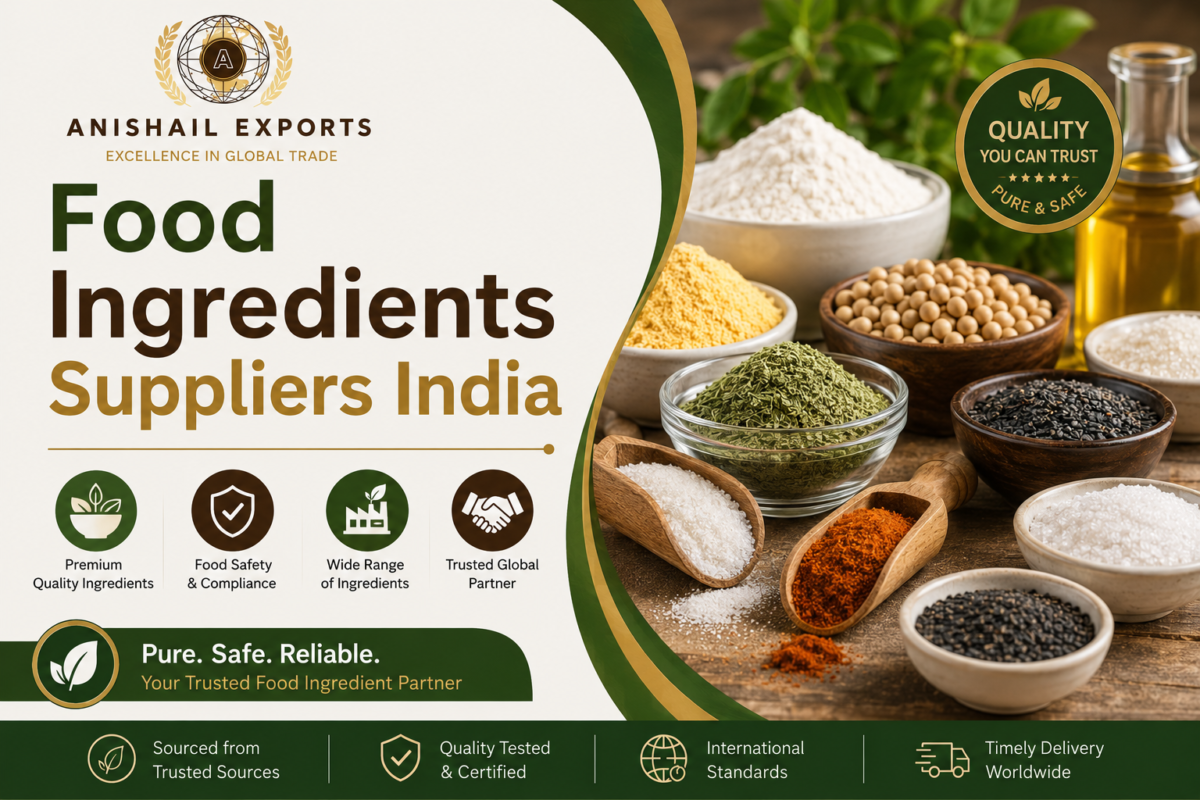
Finding high-quality materials dictates the success of any food manufacturing business today. People expect better taste and cleaner labels when they pick up packaged goods from supermarket shelves. This shift puts heavy pressure on factories to rethink their entire sourcing strategy. A reliable network of food ingredients suppliers in India makes this transition possible for local manufacturers. Accessing top-tier raw materials prevents costly production delays.
Sourcing raw materials locally used to mean compromising on international quality standards. That barrier no longer exists as domestic sourcing networks mature and expand their capabilities. Modern food ingredient suppliers provide everything from specialised emulsifiers to rare spice extracts right at the manufacturing doorstep. The market moves faster when factories stop waiting months for imported shipping containers. Local availability drives rapid recipe innovation across the country.
A Look at the Growing Demand for Premium Food Ingredients in India
1. Rising Health Awareness Among Consumers
Consumers are nowadays aware of nutritional labels on their grocery carts. They avoid artificial preservatives completely. Manufacturers have to adjust their recipes to include recognisable natural components instead of chemical codes. Securing these natural extracts requires a dependable food ingredients wholesale supplier to keep production lines running. The raw material needs to be consistent. Key ingredient requirements include:
- Buyers demand strict organic certification for label claims.
- Natural sweeteners quickly replace cheap processed sugar.
- Clean label botanical extracts gain massive market share.
- Health-focused product lines consistently outpace traditional snacks.
Shoppers instantly drop a product if the ingredient list looks like a chemistry textbook. Winning their trust means stripping out the lab-made junk entirely. You just replace those synthetics with clean extracts to keep the register ringing.
2. Expansion of the Bakery Sector
Strict daily production schedules and tight margins are common in bakeries. A slight variation ruins an entire baking day. You cannot negotiate with consistency. Using a supplier of bulk food ingredients makes sure that bakers receive uniform product characteristics every week. This stability makes them expand their operations without risking product failure. Essential requirements of a bakery include:
- Specialised flours dramatically improve internal crumb structure.
- Heat-stable chocolate inclusions prevent unwanted melting.
- Enzyme-based dough conditioners extend physical shelf life.
- Premium cocoa powders elevate the final flavour profiles.
A bakery floor stops dead when a cheap batch of flour refuses to rise. Fixing that mess wastes hours of expensive commercial labour. Relying on consistent wholesale deliveries eliminates that exact production headache completely.

3. Quick Service Restaurant Standardisation
Fast food chains survive as they replicate the same taste wherever they reach. A pizza in Mumbai must taste the same in Delhi. Achieving this uniformity requires highly specialised flavour profiles and texturizers. Procuring premium food ingredients guarantees this consistency across hundreds of franchise locations. Supply chain managers depend on precise specifications. Ingredients that are sourced commercially include:
- Standardised dry spice blends maintain exact flavour notes.
- Specialised batter coatings keep fried items perfectly crisp.
- Industrial emulsifiers prevent commercial sauce separation.
- Advanced binding agents improve processed meat texture.
Franchise owners panic when customers complain about their favourite sauce tasting different. Fixing that inconsistency requires locking down the raw inputs at the corporate level. You feed the exact same dry powders to every kitchen to guarantee the flavour hits right.
4. The Plant-Based Protein Surge
Alternatives to meat shifted to mainstream supermarket aisles. Using plant-based meat texture using plants involves binding agents and complex protein isolates. Finding the right combination takes extensive trial and error in the lab. Manufacturers lean heavily on their food ingredients suppliers in India to source these specific isolates. Vendors accelerate product development. Manufacturers typically rely on:
- Textured vegetable proteins accurately mimic muscle fibres.
- Plant-based binders replace traditional egg whites completely.
- Natural liquid smoke adds an authentic grill flavour.
- Concentrated beet extracts simulate natural meat colouring.
5. Supply Chain Transparency and Traceability
Food safety regulations force companies to track every single component back to its origin. A massive recall destroys brand reputation overnight. Facilities need complete documentation showing exactly where the raw materials originated and how they were eventually processed. Partnering with a trusted name like Anishail Exports provides this crucial transparency. Since detailed paperwork accompanies every shipment to satisfy aggressive quality audits, the documents of key compliance include:
- Certificates of analysis accompany all inbound material deliveries.
- Strict allergen declarations prevent factory cross-contamination.
- Digital batch numbers track complex material origins.
- Third-party safety audits verify supplier processing standards.
6. Growth in Ready-to-Eat Meals
Urban professionals rely heavily on packaged meals. These convenience foods must survive extreme temperature changes without turning into mush. Formulators use specialised starches and hydrocolloids to maintain the cellular structure of the meal. Relying on food ingredients suppliers in India helps factories access these advanced texturizers locally. The final dish looks appetising. Frequently used functional ingredients include:
- Modified food starches survive brutal freeze-thaw cycles.
- Commercial anti-caking agents keep dry powders flowing.
- Moisture migration barriers protect the intended crunch.
- Natural plant preservatives safely extend shelf stability.
A watery frozen dinner ruins a brand reputation fast. Customers expect a thick sauce even after microwaving the plastic tray on high heat. You have to use heavy-duty modified starches to survive that brutal temperature abuse.
7. Beverage Industry Innovation
Drink manufacturers face intense pressure to reduce sugar while maintaining a sweet taste. Masking the bitter aftertaste of artificial sweeteners requires advanced flavour modulation technology. Finding the exact balance takes time. A capable food ingredients wholesale supplier brings technical expertise to solve these formulation challenges quickly. The right functional extracts make the transition to low-sugar beverages seamless. Ingredients of common formulations include:
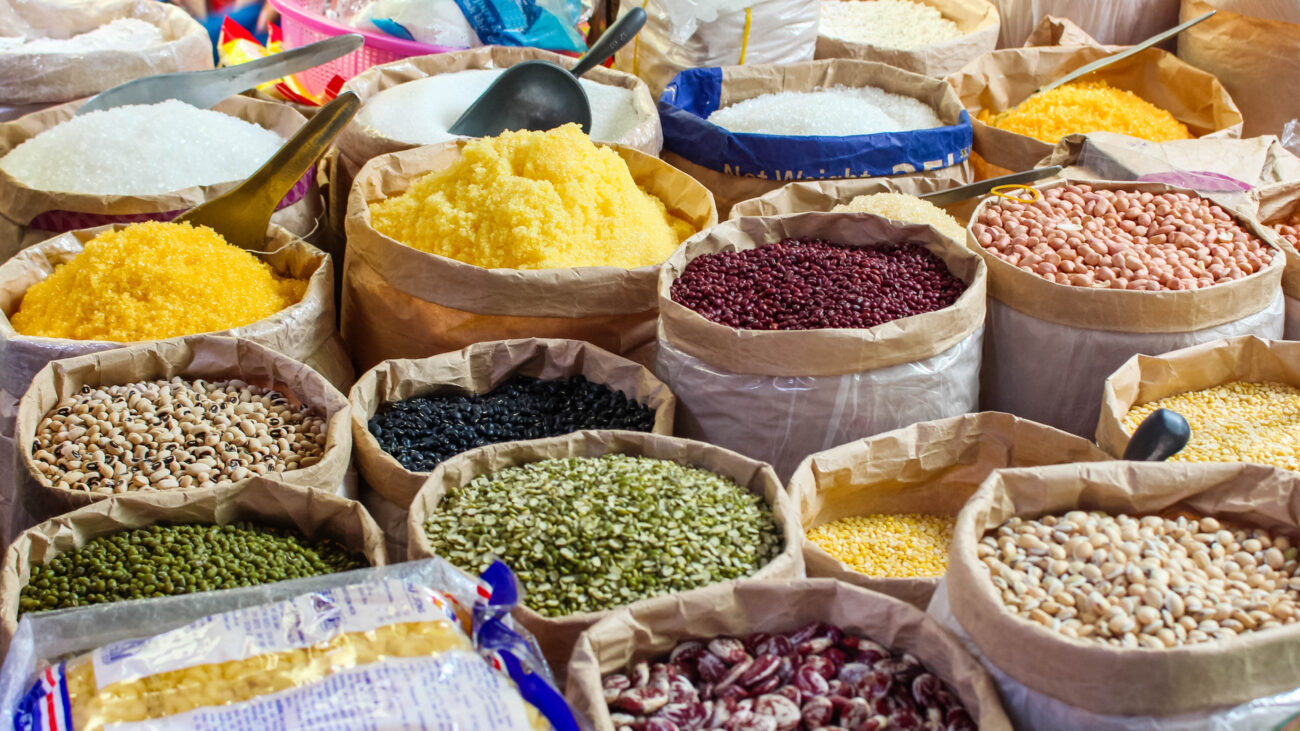
- Purified stevia extracts reduce the total caloric load.
- Advanced flavour maskers hide chemical off-notes.
- Soluble dietary fibres improve the liquid mouthfeel.
- Natural fruit concentrates add vibrant visual colour.
8. Demand for Authentic Regional Flavours
Packaged snacks need to capture complex regional tastes in a dry seasoning format. When you turn a wet curry recipe into a stable powder, it involves encapsulated techniques. The volatile oils that carry the aroma must survive the high heat of the extrusion process. Sourcing these specialised spice extracts from a bulk food ingredients supplier ensures the flavour survives until the bag is opened. Consumers demand authentic experiences. Popular ingredients of flavouring include:
- Encapsulated flavour molecules resist intense heat degradation.
- Spice oleoresins provide incredibly consistent heat levels.
- Spray-dried savoury powders offer easy industrial blending.
- Standardised botanical extracts maintain exact colour profiles.
Street food flavours fade quickly inside an industrial deep fryer. You have to protect that spicy punch. Factories buy encapsulated powders just to ensure the heat survives the aggressive manufacturing process.
Why Choose Anishail Exports?
Anishail Exports handles everything from industrial chemicals and food additives to herbal
extracts and specialised raw materials across multiple sectors. They keep a tight grip on quality
control, manage bulk orders smoothly, and provide genuine manufacturing support, making
them a dependable partner for businesses that need a supplier they can actually count on.
Conclusion
The domestic food processing sector will only continue to accelerate as consumer expectations mature. Factories must adapt to these demands by securing raw materials that never compromise on quality. Relying on established partners like Anishail Exports gives manufacturers the confidence to launch ambitious new product lines. A strong supply chain is crucial.
Writing a check for bigger machines does not magically scale a factory. Raw powders and liquids behave entirely differently when you dump a thousand kilos into a commercial mixer at once. Working with great food ingredients suppliers in India stops the entire factory floor from shutting down mid-shift. Brands that obsess over where their materials come from actually win the retail war.